Akita Clipart Review for Embroidery Use
First Impressions: A Sturdy and Versatile Design
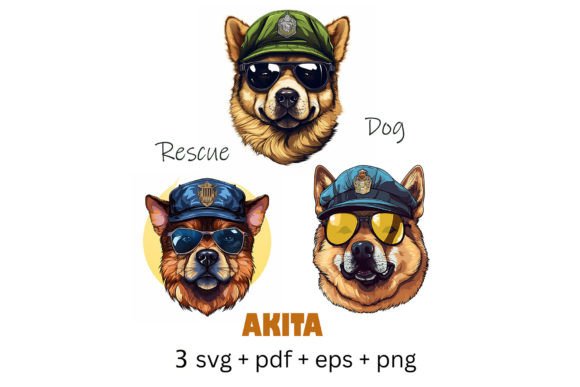
The first thing that catches my eye about Akita Clipart is its clean, bold shape. The Akita dog is rendered with a strong silhouette that feels both modern and classic. Its anatomy is well-proportioned, with clear lines and defined features that make it immediately recognizable. The design has a friendly, approachable vibe that’s perfect for a wide range of projects.
What stands out most is the level of detail in the facial expression and body structure. The eyes are expressive, and the ears sit neatly on the head, giving the impression of alertness and confidence. This kind of detail is essential for embroidery because it adds character and helps the design feel more like a real subject rather than just an abstract shape.
Real-Life Scenario: Custom Embroidered Tote Bag
Imagine I’m preparing a custom embroidered tote bag for a local boutique. The client wants a simple yet striking design that can be used across multiple products. Akita Clipart fits this scenario perfectly. Its clean lines and strong visual identity make it ideal for large-scale applications where clarity is key.
When I think about how it would look after stitching, the Akita dog would appear bold and confident, especially when placed on a light-colored fabric. The transparency of the PNG file means I can easily place it over a background without worrying about color clashes. This flexibility is a big plus for designers who want to experiment with different backgrounds and layouts.
Performance in Real Embroidery Situations
Akita Clipart performs well in a variety of embroidery scenarios. For custom apparel like t-shirts and sweatshirts, the design holds up nicely, especially when using satin stitch or fill stitch techniques. It looks great on both light and dark fabrics, though I’d recommend testing it on a few different materials before finalizing the project.
For smaller items like embroidered patches or baby clothes, the design might need some adjustments. The Akita dog is relatively large, so scaling it down could affect the clarity of the details. That said, the EPS and SVG formats offer good scalability, which is important for maintaining quality at different sizes.
When it comes to holiday or personalized gifts, the Akita Clipart adds a touch of warmth and charm. It’s versatile enough to work on tea towels, pillow covers, and even nursery decor. The design’s simplicity makes it easy to incorporate into various themes, from rustic to modern.
Where to Be Cautious: Potential Challenges
While Akita Clipart is a solid choice for many projects, there are a few situations where it might not perform as well. For example, using it on small hoop sizes could lead to loss of detail, especially in the facial features. Similarly, on textured or stretchy fabrics, the design may not hold up as well due to the nature of the material.
Dark fabrics can also pose a challenge, as the contrast between the design and the background might not be as strong. In such cases, experimenting with thread colors becomes crucial. Lighter threads on dark fabric can help maintain visibility, while darker threads on light fabric might result in a less vibrant look.
Another consideration is the use of Akita Clipart on curved surfaces like caps or hats. While the design is generally flat, some parts of the Akita dog might not translate well to curved areas. Testing on a mockup or using a stabilizer can help mitigate these issues.
Visual Appeal and Product Value
The visual appeal of Akita Clipart is undeniable. It brings a sense of warmth and personality to any project, making it a great choice for handmade products and personalized gifts. When stitched properly, the design adds value to the finished product by enhancing its aesthetic appeal and emotional connection with the customer.
From a business perspective, Akita Clipart is a reliable asset for Etsy sellers, craft businesses, and small shop owners. Its versatility allows it to be used across multiple product lines, increasing its potential for repeat sales and brand consistency. However, it’s important to ensure that the design is used in a way that aligns with your brand’s visual identity.
Practical Designer Notes
Before using Akita Clipart in a real project, I recommend testing it on scrap fabric to assess how it looks under different conditions. Checking thread color contrast is also essential, especially if you’re working with dark or light fabrics.
Reviewing stitch density and confirming hoop size will help you avoid issues with detail loss or distortion. Inspecting small details like the eyes and ears is a must, as they contribute significantly to the overall look of the design.
Testing the design in black and white mockups can reveal hidden flaws or inconsistencies. Comparing it against light and dark fabric backgrounds will give you a better idea of how it will look in real life. Using proper stabilizer is another key step to ensure the design stays in place during stitching.
Finally, always confirm licensing terms before selling finished items or digital products. Akita Clipart is a valuable asset, but understanding its usage rights is crucial for protecting your business and customers.